
Lab Group

I’m proud to lead a group of excellent researchers based in the Evolutionary Microbiology Labs (ELM) based in the MerseyBio Building in the University of Liverpool Biosciences Complex. Read more about the team below, and get in touch if you’d like to join us!
Current Members

Kaitlin Schaal
Bio: I did my undergraduate studies at Sweet Briar College in the US (BSc in Biology with minors in Chemistry and English & Creative Writing), and I got my MSc and PhD in Evolutionary Biology from ETH Zurich in Switzerland.
Project: My project looks at the evolution of interactions and HGT in bacterial communities in changing environments.

Gregory McCallum
Bio: I studied Biomedical Science at the University of Birmingham, where I stayed to complete a PhD in microbiology. My PhD research explored the bacterial hosts of antimicrobial resistance genes in the human gut microbiota using a metagenomics technique called Hi-C. I developed a novel bioinformatics workflow to link antimicrobial resistance genes and plasmids to their bacterial hosts using Hi-C data, in order to find which bacteria are carrying and transferring antimicrobial resistance genes in the human gut. I found that commensal bacteria of the human gut microbiota, particularly Gram-positive species, are an important reservoir of antimicrobial resistance genes. I also run @ContamClub on Twitter!
Project: My current research focuses on horizontal gene transfer of plasmids in the hospital sink drain microbiome. This understudied reservoir of antimicrobial resistance genes is a prime location for transfer of plasmids, and by using a range of real-world experiments and laboratory models, we aim to explore the patterns and drivers of gene exchange within the hospital sink drain microbiome. The project particularly focuses on species of Pseudomonas bacteria as these are opportunistic pathogens known to spread in hospitals via plumbing. Investigating the ecology of hospital sink drains should offer insights into the factors influencing the spread of antimicrobial resistance in this habitat, and may indicate how this could be limited.

Prajwal Vishwanath Bharadwaj
Bio: I completed my Master's in Biology from IISER Bhopal, working on my Thesis with Dr. Frederic Bertels at the MPI for Evolutionary Biology studying the dynamics of transposable elements in bacterial genomes. I later worked for a year as a research fellow with Dr. Samay Pande at IISc Bangalore looking at evolution of antibiotic resistance in bacteria under the influence of predation.
Project: I will be working on studying the susceptibility of bacteria towards MGEs, what genetic and molecular factors stabilise plasmids in the host, the ability to differentially acquire plasmids, what evolutionary forces stabilise these interactions. My project will focus on the interactions between the host genome and genetic architecture of plasmids that allow for their persistence.
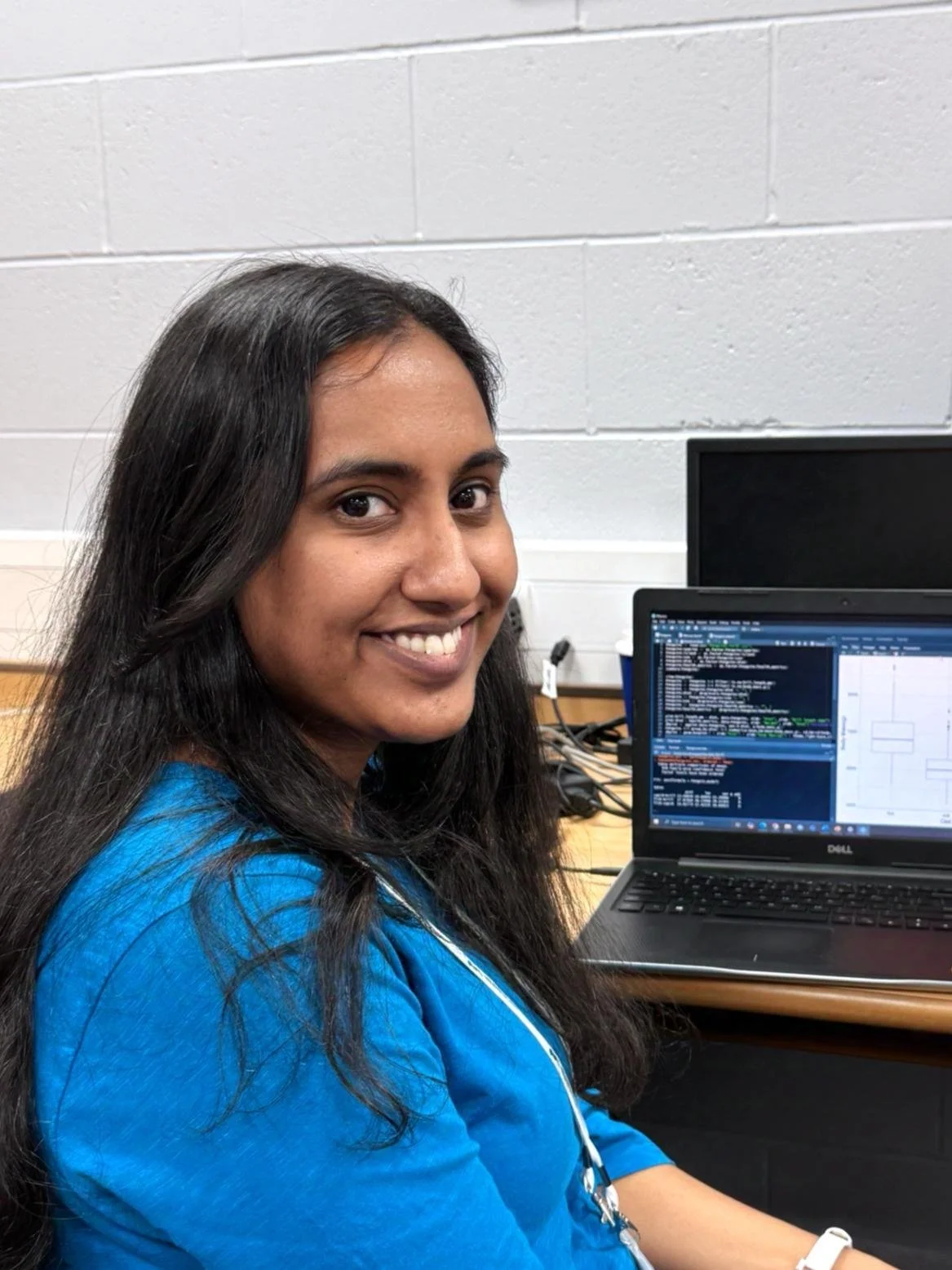
Shefali Vaidyanath
Bio: I'm a Microbiologist with a Bachelor's degree in Industrial Microbiology from Abasaheb Garware College in Pune, India and a Master's in Applied Microbiology from VIT University, Vellore, India. I also interned at nference, Bangalore, where I dealt with data from proteomics and single cell transcriptomics studies. I have always been interested in research and decided to pursue Masters of Research in Advanced Biological Sciences at the University of Liverpool.
Project: My project focuses on understanding fitness costs of plasmids and how compensatory mutations affect fitness costs across multiple strains of Pseudomonas. Understanding these mechanisms help unravel the complexities of microbial evolution. This knowledge can be used to address bigger issues like antimicrobial resistance and development of the field of bioremediation.
Shefali completed her MRes in Autumn 2025 and continues to work in the lab as a technician.
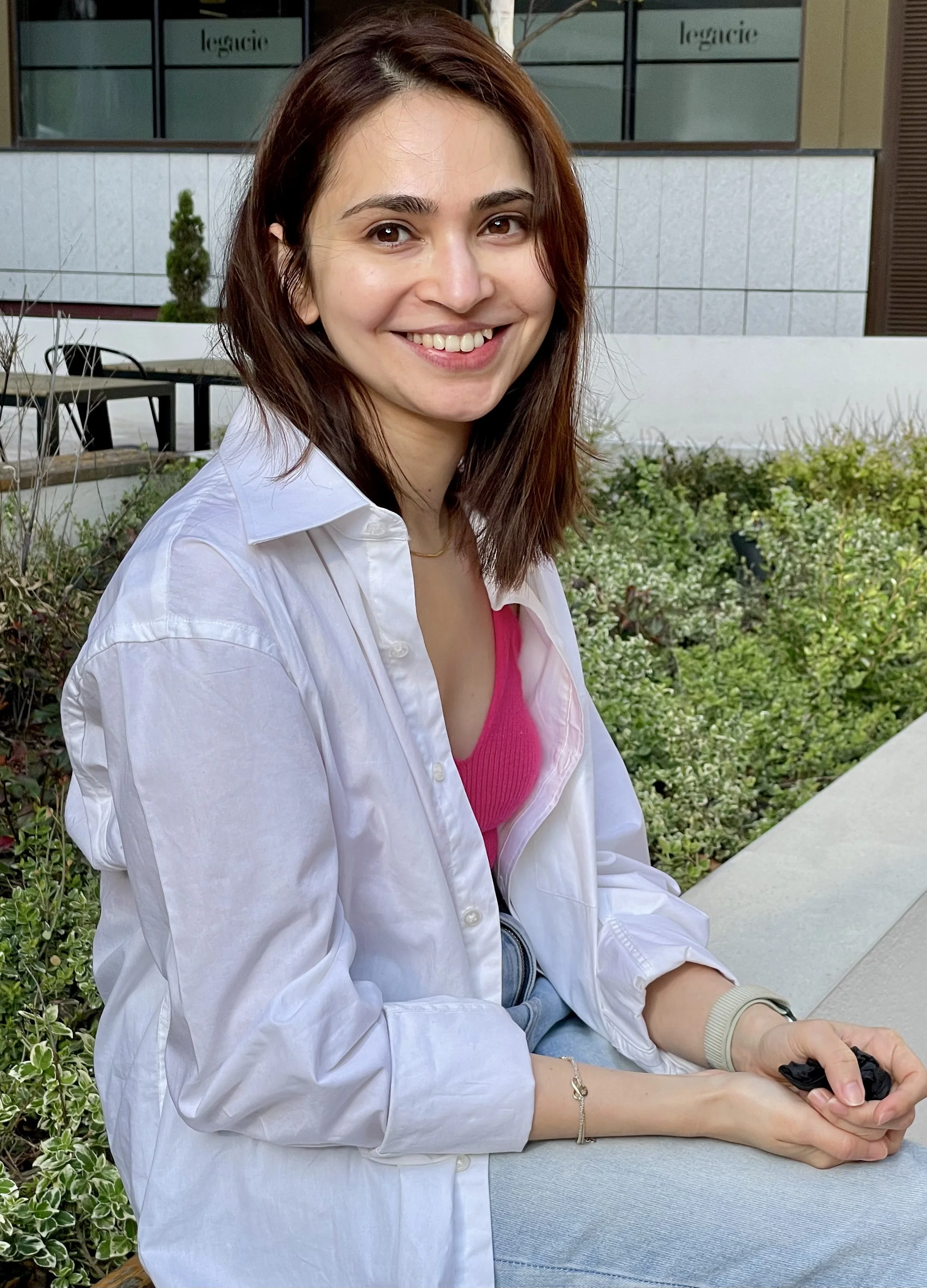
Shreya Vichare
Bio: With a background in Microbiology (BSc) and Medical Biotechnology (MSc), my research has consistently centered around microbes. A strong interest in evolutionary biology led me to a research fellowship in the Adaptation Lab at NCBS, Bangalore, India. I later pursued a PhD at Kiel University, Germany, where I focused on the dynamics of plasmid evolution in bacteria. Throughout my research journey, I’ve explored diverse microbial systems ranging from the physiology of Streptomyces, codon usage bias in Methylobacteria, to the functional and evolutionary significance of a megaplasmid in Pantoea.
Project: For my Postdoc I will be exploring the interactions between mobile genetic elements and bacterial genome defense systems. My work will aim to understand how different configurations of genome defenses influence horizontal gene transfer and in turn how mobility of those defence systems affect their evolution in the ESKAPE pathogen Pseudomonas aeruginosa.
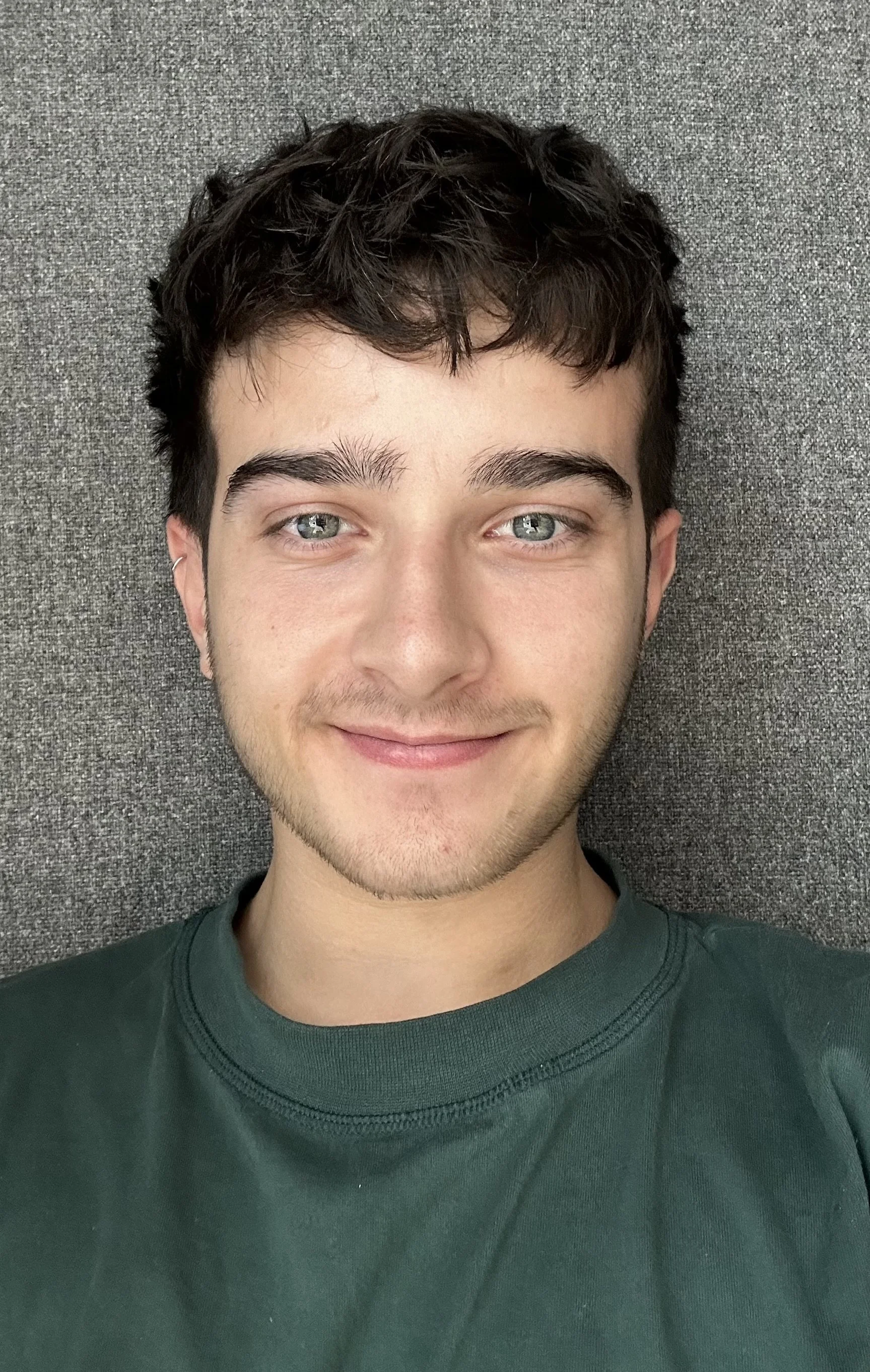
Dan Robins
Bio: I completed my Bachelor of Science degree at the University of Liverpool in Tropical Disease Biology, developing a keen interest in microbiology and antimicrobial resistance (AMR). I then progressed to complete my Master’s of Research at the University of Edinburgh, working on investigating the regulation of biofilm morphology to aid colonisation in Klebsiella variicola.
Project: Bacteria protect themselves from phage infection through encoding genome defence systems, but these can impede the uptake of beneficial plasmids. My project focuses on investigating the trade-offs in genome defence, looking into how Pseudomonas regulates between genome defence systems, phage susceptibility, and plasmid uptake, applying my results to hospital sink microbiomes to identify a possible route for preventing AMR-plasmid acquisition.

Vicki Orr
Bio: I started my academic journey studying a BSc(Hons) degree in microbiology and zoology, followed by an MRes before becoming a R&D scientist in an IVD company. Throughout these years, I partook in a variety of projects, from developing diagnostic systems for zoonotic pathogens, exploring the mechanisms of the bumblebee immune system and production of antibiotic resistance detection products. I then completed my PhD in microbial ecology, focused on how interactions between plasmids and transposons affect trait spread, particularly resistance genes, using both a wet lab and modelling approach. Since my PhD, I have worked on a short-term postdoc project, assembling and exploring genomes of clinical outbreak-associated plasmids before returning to ELM lab for my current role.
Project: My current postdoc project explores how plasmid-chromosome crosstalk (PCC) influences the spread of genes within complex microbial communities, in collaboration with colleagues at University of Manchester and John Innes Centre. Using bioinformatic analyses, we will explore the worldwide distribution and conservation of regulators of PCC, allowing us to determine the scale of PCC regulation and its relationship to the wider environment.
Vicki completed her PhD in 2025 and moved to a short postdoc position in the Institute for Systems, Molecular and Integrative Biology, before returning for a postdoc later in 2025.
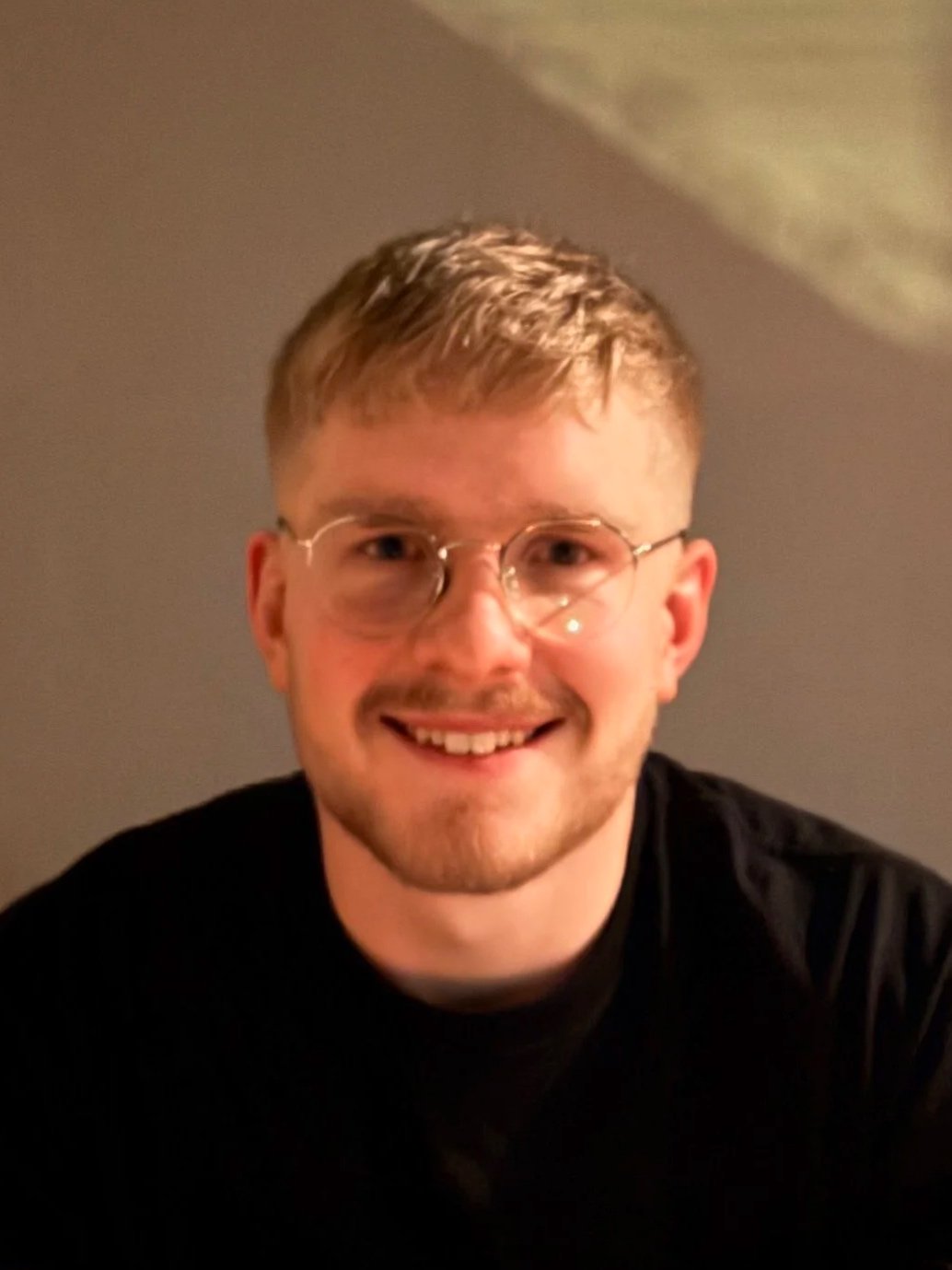
Sam Wheatley
Bio: I studied Biological Sciences at the University of Liverpool, where a summer studentship here in the lab exposed me to the complexity of antimicrobial resistance and sparked a fascination with how bacteria adapt and persist under selective pressures. For my dissertation project, I worked alongside Professor Alistair Darby to sequence and analyse the pWCP plasmid of Wolbachia in UK Culex pipiens mosquitoes, finding significant genetic conservation globally. This project deepened my interest in manipulating microbes to reduce disease burden, leading me to the Master’s of Research course in Infection, Microbiology, and Microbiomes at the University of Liverpool.
Project: I will be studying longitudinal evolution in the hospital sink microbiome. By combining shotgun metagenomics, bioinformatic analysis, culturomics, and phenotypic assays, my project will explore how taxonomic composition changes over time in real-world hospital sinks and the potential functional implications of these changes, particularly focusing on antimicrobial resistance and plasmid acquisition.
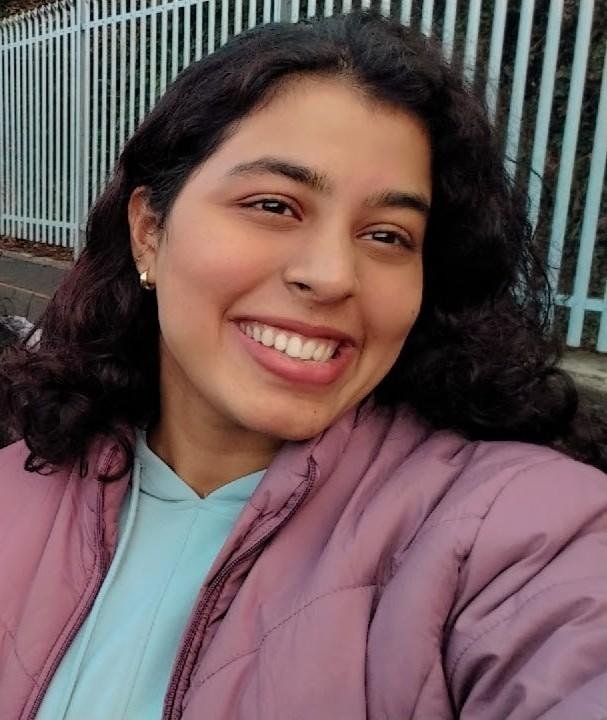
Ananya Rai
Bio: I completed my Bachelor of Science (BSc) in Biotechnology, including a thesis under the guidance of Prof. Rajavasisth Tripathi at the Institute of Medical Sciences, Banaras Hindu University, reviewing nanoplastics' impact on gut microbiota, its links to neurodegenerative disorders, and biotic diet benefits, using human saliva and faecal samples for bacterial culture, microscopy, nucleic acid extraction, and pathway analysis. I then earned my Master of Science in Biotechnology at G.I.E.T University, as DBT sponsored student, worked under the supervision of Dr. B. Rabi Prasad, isolating cellulase positive isolates from the gut microbiome of Bos indicus for biofuel production from cotton biomass, followed by two years as a microbiologist in the QC department at Kumar Organic Products Ltd., a USFDA-approved facility. Now, I'm pursuing my MRes in Infection, Microbiology & Microbiomes at the University of Liverpool.
Project: My MRes project at the University of Liverpool, supervised by Dr. James Hall, deals with phage-mediated and other microbial interactions within hospital sink microbiomes: key reservoirs for antimicrobial resistance (AMR) gene mobilization and pathogen transmission. It employs a culture-based approach alongside functional assays like competitive co-cultures to dissect dynamics in surface-associated versus supernatant fractions. And also integrates molecular workflows including whole-genome sequencing (WGS), annotation, and phage prediction, followed by bioinformatics analysis with diversity metrics to identify phage-based interventions.
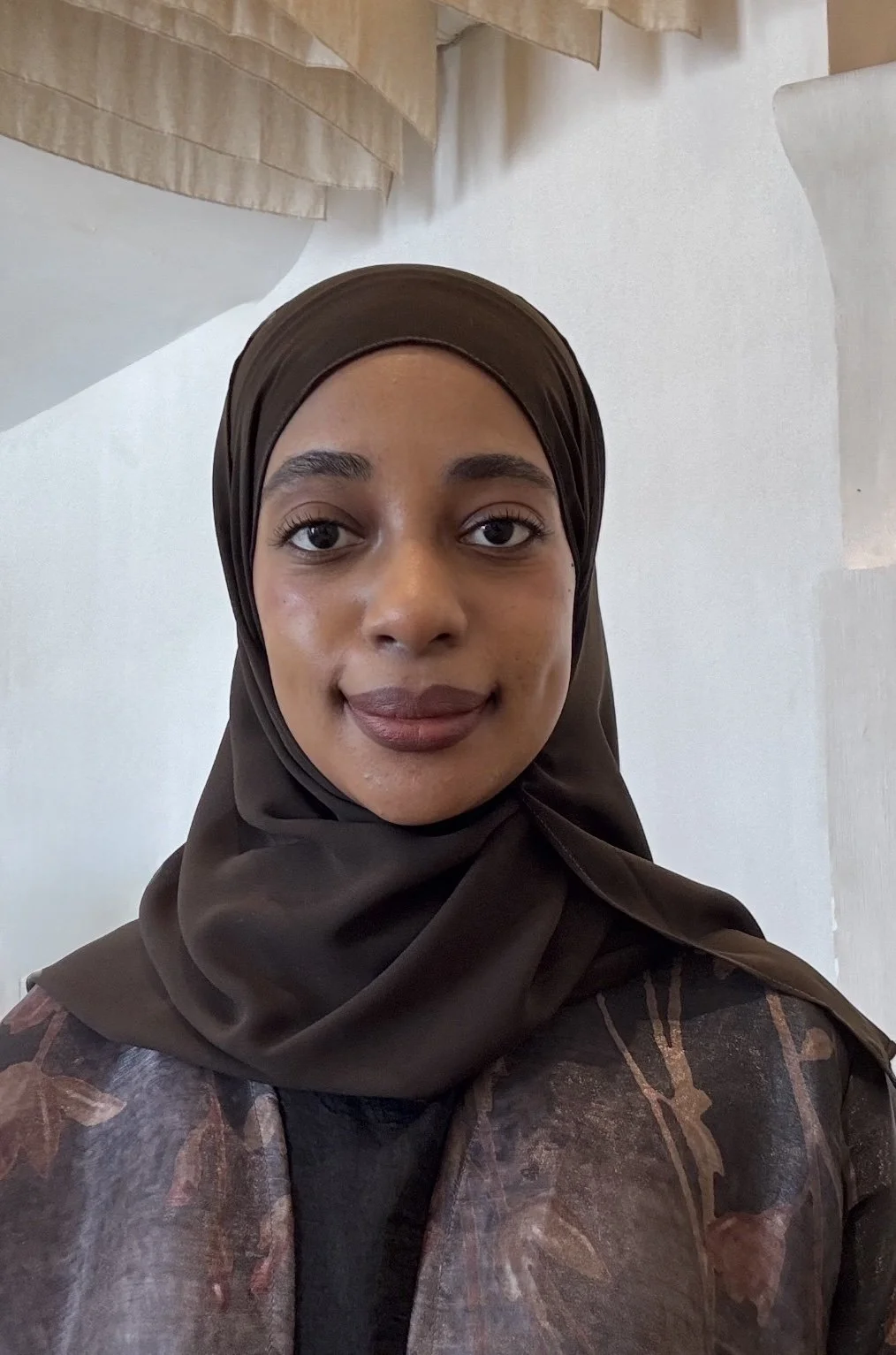
Buthaina Al Farsi
Bio: I completed my BSc in Biomedical Sciences at the University of Liverpool and am currently pursuing an MSc in Infection and Immunity at the same institution. I am also a Clinical Microbiology Laboratory Technician in Oman, where I developed a strong interest in antimicrobial resistance and microbial evolution.
Project: My project investigates hospital sink drains as potential reservoirs of antimicrobial-resistant bacteria, using selective culture, whole-genome sequencing, and conjugation experiments to identify resistant bacteria, their resistance genes, and the potential for plasmid-mediated spread.

Lewis Li
Bio: I am an undergraduate student at the University of Liverpool studying Biological Sciences. My summer project investigated plasmid–host compatibility in Pseudomonas aeruginosa, with a focus on antimicrobial resistance plasmids. As plasmids can carry resistance genes and move between bacteria, this project compared plasmid-free and plasmid-bearing strains to examine whether plasmid carriage affects bacterial growth at different temperatures.
Lewis completed his summer project and returned to his undergraduate degree in Summer 2026
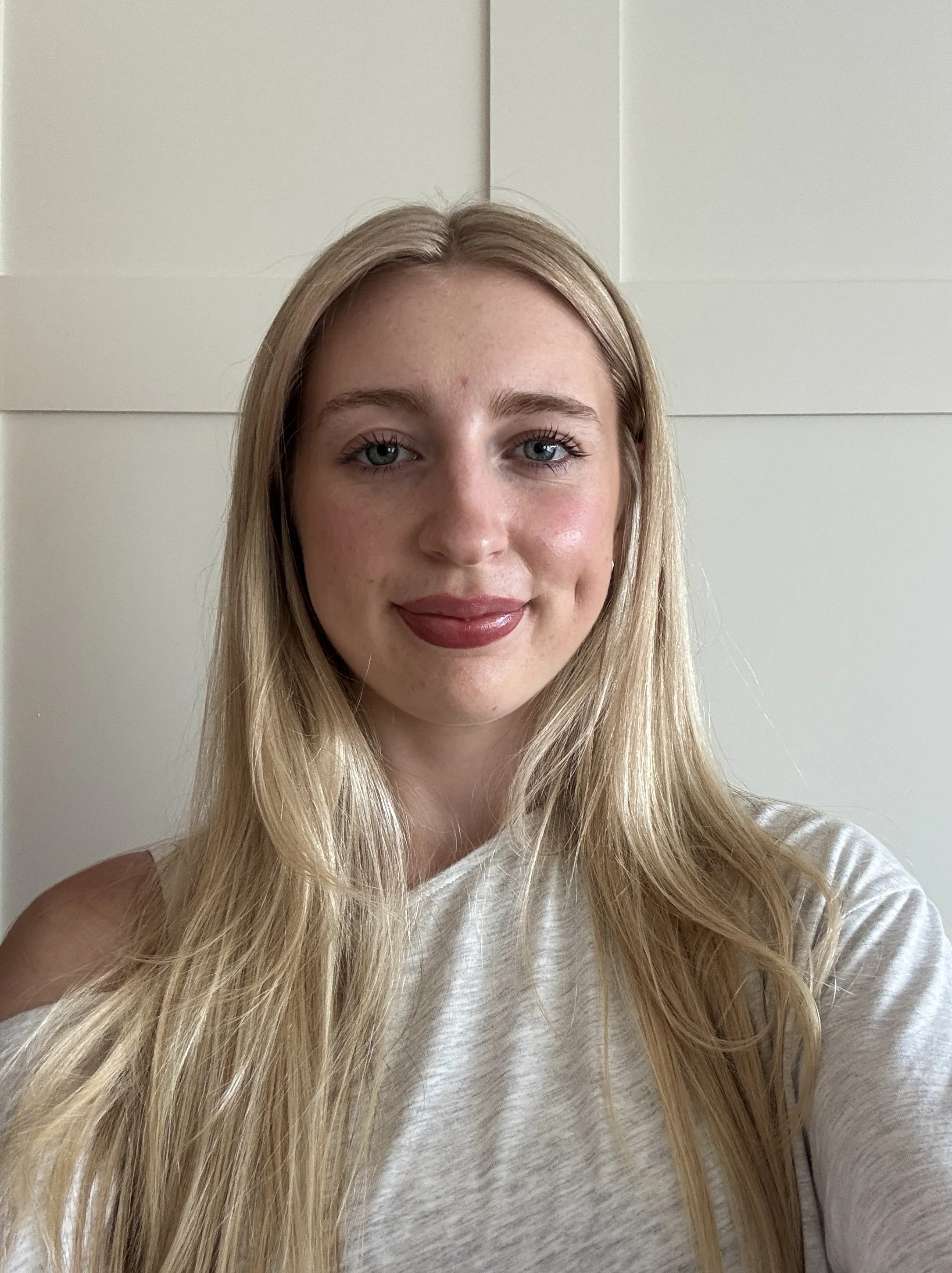
Olivia Bain
Bio: I am an undergraduate Microbiology and Infection student at the University of Liverpool and completed a summer studentship in the ELM lab. My project involved investigating which defence systems of Pseudomonas aeruginosa block incoming plasmids and affect conjugation efficiency.
Olivia completed her summer project and returned to her undergraduate degree in Summer 2026.
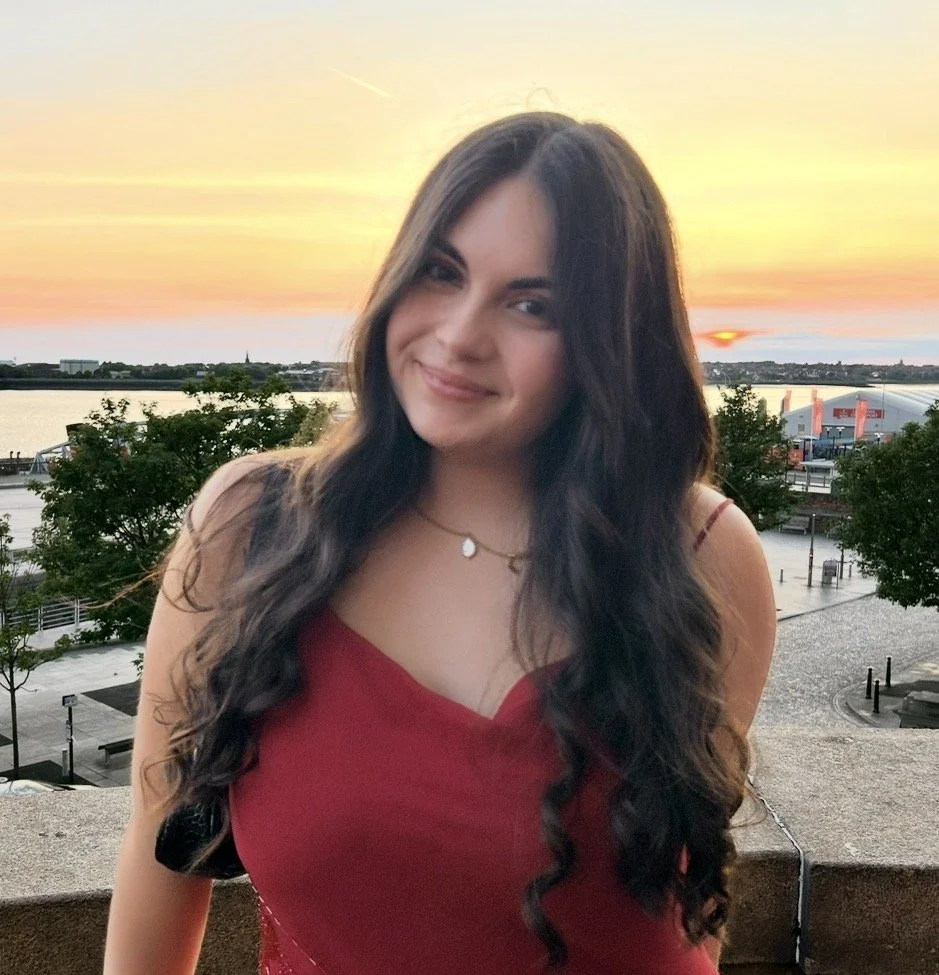
Amber-Louise Stanyer
Bio: I am an undergraduate student at the University of Liverpool studying Microbiology and Infection. My summer project investigated whether antiphage defence systems expressed from high-copy plasmids affect the uptake of megaplasmids in Pseudomonas aeruginosa. As megaplasmids can carry beneficial traits, including antimicrobial resistance genes, the project compared conjugation rates to determine whether particular defence systems restrict their transfer.
Amber completed her summer project and returned to her undergraduate degree in Summer 2026.
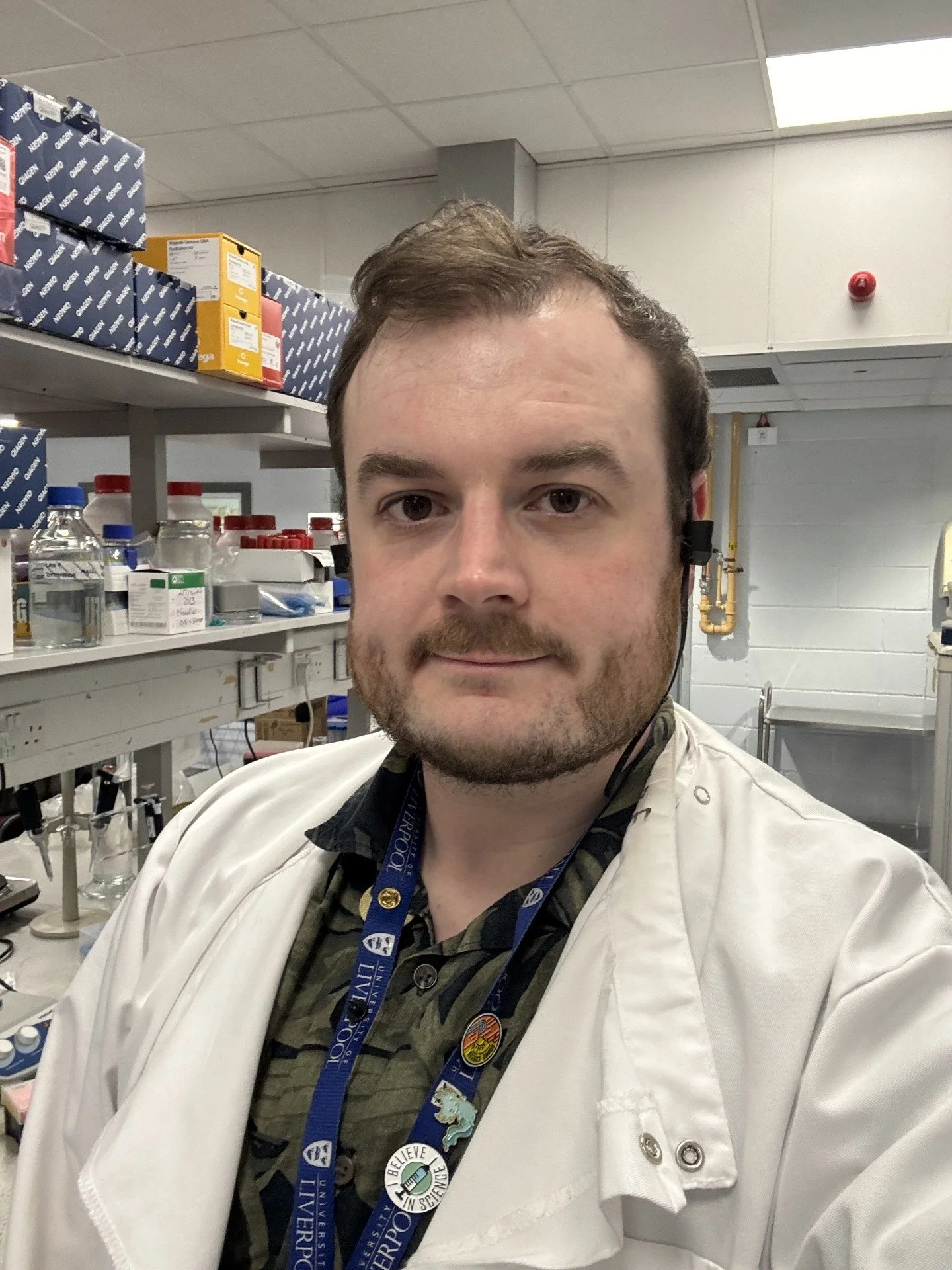
Lab Alumni
Edward Cairns
Bio: I completed my undergraduate (BSc in Microbiology) and masters (MRes in Synthetic Biology) at the University of Liverpool, where I am also currently finishing my PhD in Environmental Microbiology.
Project: My research focuses on manipulating the soil microbiome to enhance crop health. I study beneficial plant-microbe interactions in the rhizosphere, with a particular emphasis on inoculating strains such as A. radicis and B. subtilisonto roots to promote plant health and increase resilience to insect pests. My work integrates laboratory, computational, and field-based approaches. I have conducted functional genomic analyses of multiple plant-beneficial strains, contributed to a large-scale field trial validating bioinoculants under real-world conditions, and assembled synthetic microbial communities designed to outperform single-strain treatments in promoting plant growth. In addition, I’ve performed multi-omic analyses of soil microbiomes following inoculation to characterise compositional and functional shifts in response to treatment.
Edward completed his PhD in July 2026 and moved to a position as Research Fellow in Plant and Soil Microbiology at the University of Southampton
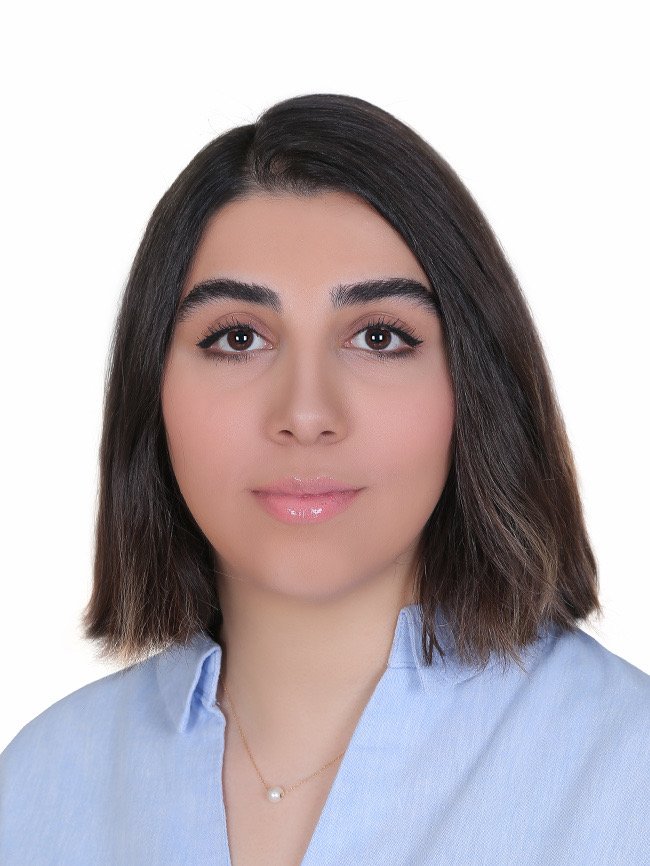
Parnian Ghobadi
Parnian joined the lab in 2024 as a Bioinformatics MSc student.
Parnian graduated in Summer 2025.

Faye Ashley
I'm a molecular cell biology undergraduate at University of York, completing a summer project here at the University of Liverpool. My project involves looking at the uptake of plasmids in Pseudomonas aeruginosa, and how this is affected by the particular strain being mucoid or not. I am also analysing the growth of the bacteria after the plasmid has been taken up, to see whether it poses a fitness cost.
Faye completed her summer project and returned to her undergraduate degree in Summer 2025.
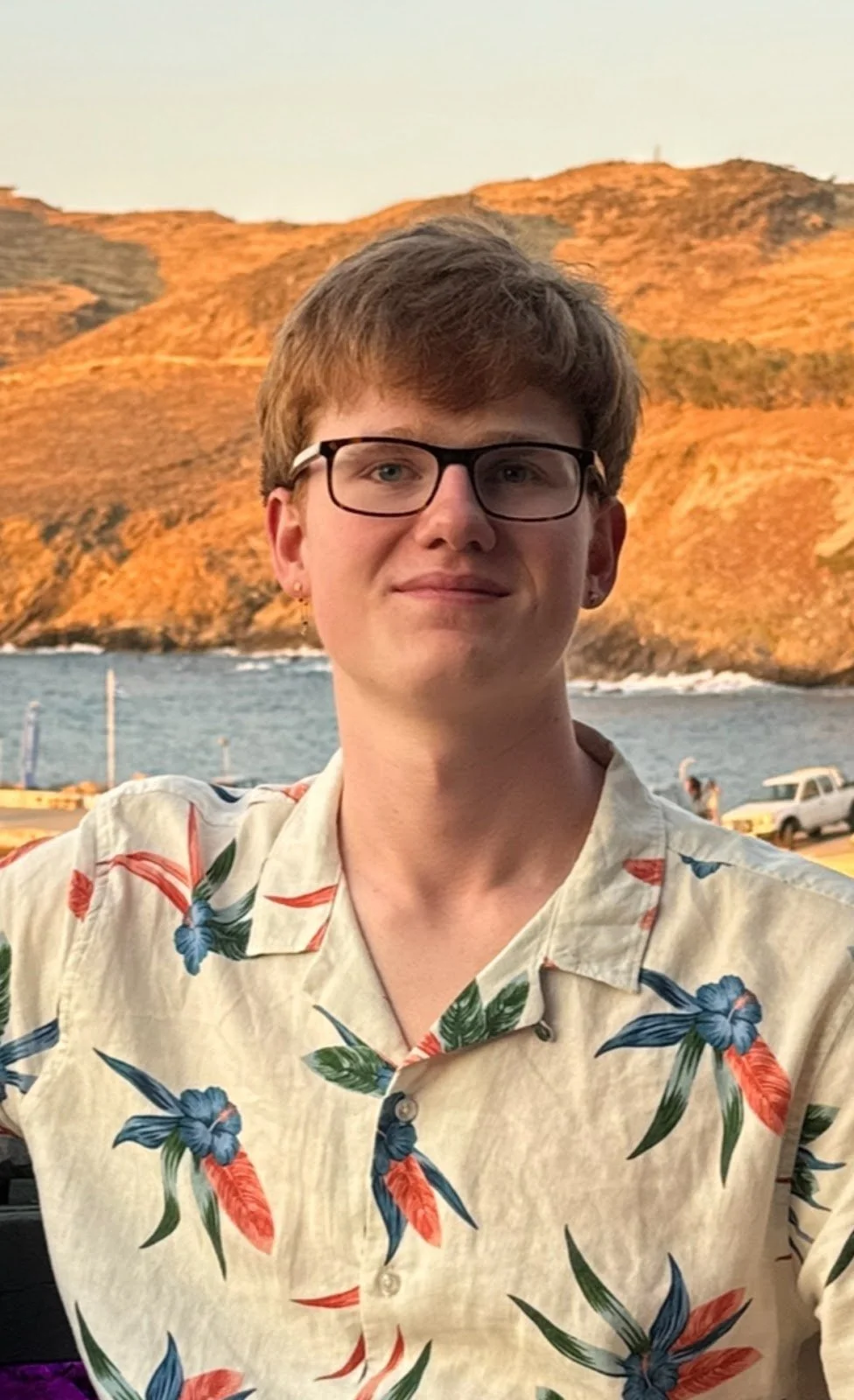
Jack Meldon
I’m an undergraduate student at the University of Liverpool studying Biological Sciences. I am undergoing a summer project in the ELM lab, investigating the effect of Pseudomonas aeruginosa on the ability of a megaplasmid to conjugate, as well as investigating the maintenance of the megaplasmid across generations.
Jack completed his summer project and returned to his undergraduate degree in Summer 2025.

Matthew Kelbrick
Bio: I am a Microbiologist who completed undergraduate studies in Genetics and pursued a Master of Research at Edge Hill University. Throughout my undergrad and masters, my research focused on isolating, characterizing, and exploring the biotechnological applications of extremophilic microorganisms.
Project: My PhD work at the University of Liverpool involves exploring the ecology and evolution of microorganisms exposed to environmental stressors, such as antibiotics and pesticides. During my Postdoctoral work within the same institute, my focus shifted to examining the spread of antimicrobial resistance within hospital sink systems.
Matthew completed his PhD in 2024 and moved to a position as a Postdoctoral Research Associate in the Department of Clinical Infection, Microbiology and Immunology at the University of Liverpool
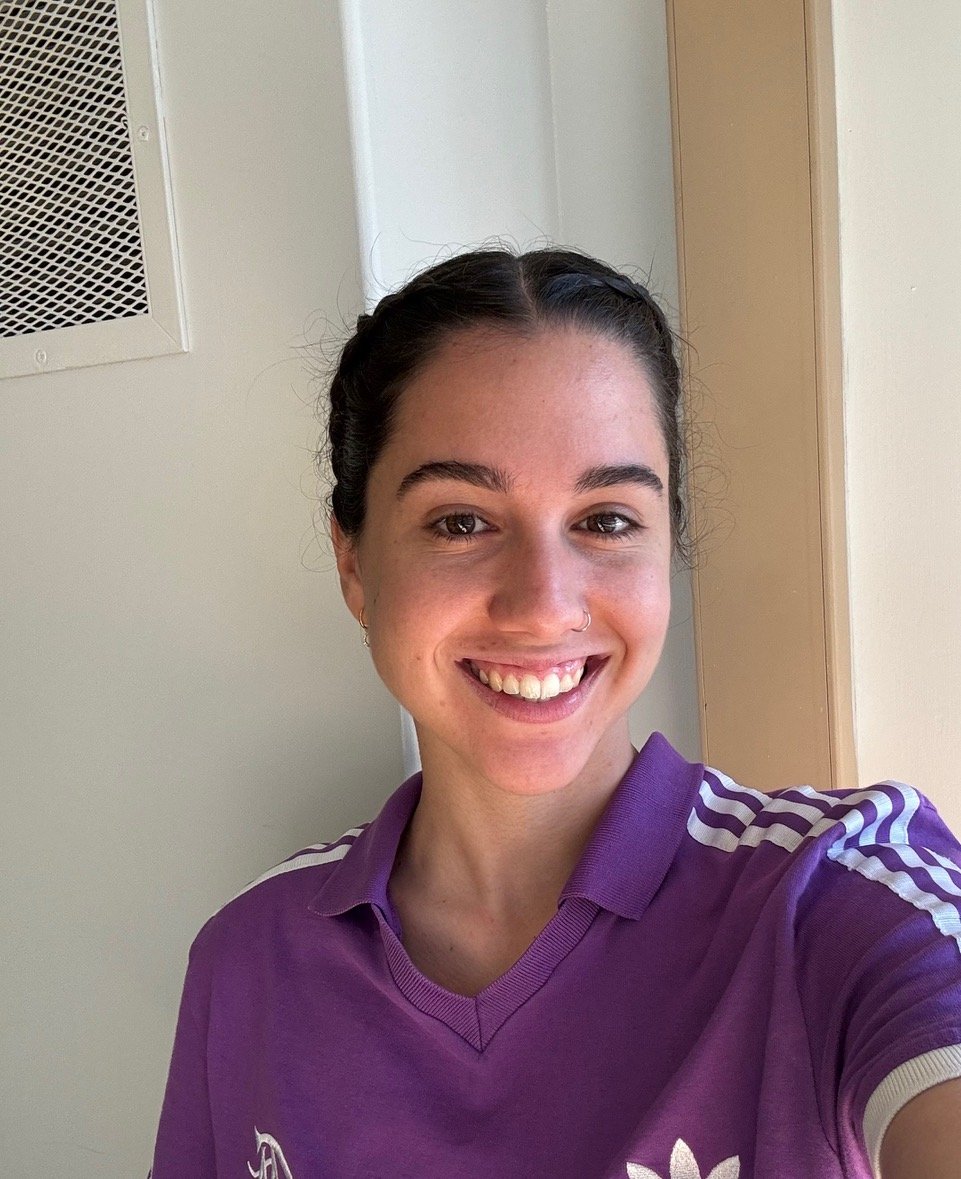
Leanne Santos
Project: Leanne’s project investigated plasmid-borne homologues of the methionine tRNA ligase gene, metG, in collaboration with Kate Baker at the University of Cambridge.
Leanne completed a MSc in Infection and Immunity in 2024.

With apologies to Alasdair Gray.